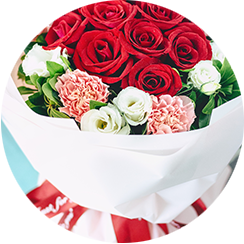
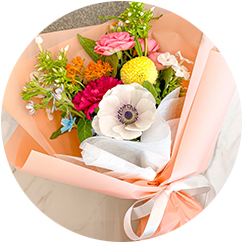
Bexley Council rules for Welling public flower displays
Posted on 30/10/2026
Bexley Council rules for Welling public flower displays: a practical guide for residents, volunteers, and local groups
If you are planning or looking after a public flower display in Welling, the details matter more than people often expect. The colours, the planting choice, the location, and yes, the council rules can all affect whether a display looks lovely for weeks or becomes a headache by next Tuesday. This guide explains the Bexley Council rules for Welling public flower displays in plain English, so you can understand what is usually expected, what to check before you start, and how to keep everything tidy, safe, and genuinely public-friendly.
Whether you are part of a residents' group, a local business, a school, or simply someone who cares about the look of the high street, the key is to balance beauty with practicality. That sounds obvious enough, but there is a lot hidden in the small print of a good public planting plan. And if you have ever watched a display wilt because no one agreed who was watering it on a hot Thursday afternoon, you already know why this matters.
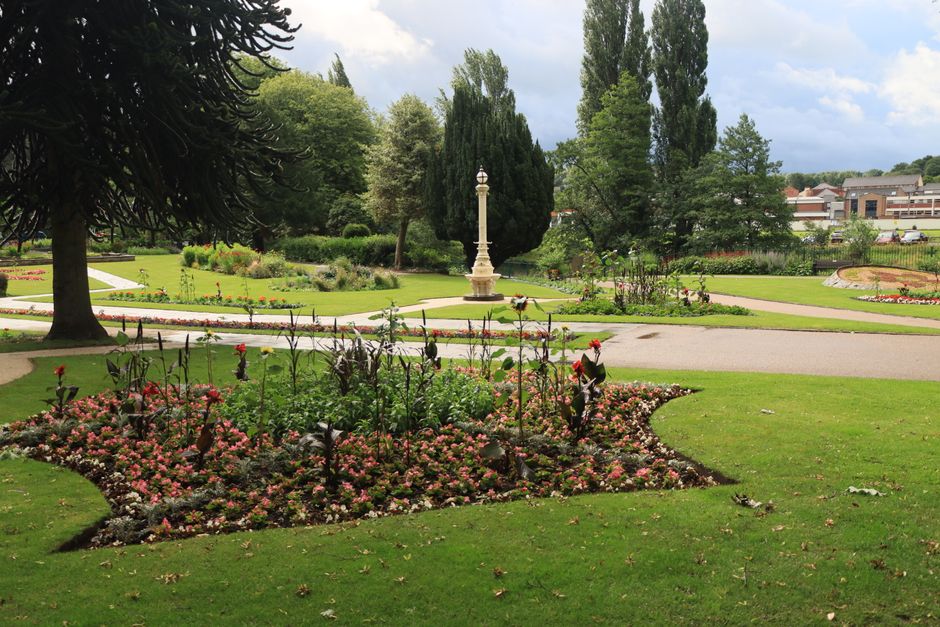
Why Bexley Council rules for Welling public flower displays Matters
Public flower displays are not just decoration. In a place like Welling, they shape first impressions, make streets feel looked after, and can quietly improve how people use shared spaces. A well-kept basket, bed, or planter says someone is paying attention. That sounds small, but small things set the tone.
The reason council rules matter is simple: public planting happens in shared spaces. That means footfall, access, visibility, maintenance, and safety all come into play. A display that looks brilliant on day one can become a problem if it blocks a pavement, spills into a cycle route, attracts litter, or becomes a trip hazard after a windy spell. Nobody wants that. Not the council, not residents, not the people watering it.
There is also the question of responsibility. Who is allowed to place the display? Who maintains it? What happens if a planter damages a surface, or if flowers obscure sightlines near a junction? These are the kinds of practical issues councils care about, and fair enough too. Public spaces need a bit of order, otherwise things drift fast.
For Welling specifically, the local context matters. Main roads, local shopping parades, community spaces, and residential streets all have different pressures. A display suitable for a quiet parade of shops may not suit a busier pavement or a corner with limited visibility. So the rules are not just bureaucracy; they are the framework that helps the flowers work with the street instead of against it.
Expert summary: If you want a public flower display to last, look good, and avoid unnecessary complaints, think about consent, location, upkeep, and public safety before you think about colour schemes. The nice part is that once those basics are sorted, the creative bit becomes much easier.
How Bexley Council rules for Welling public flower displays Works
In practice, council rules for public flower displays usually revolve around a few core questions: Where is the display going? Who owns or manages the space? Is permission needed? Who will maintain it? You do not always need a formal drama-filled process, but you do need to check whether the land is council-managed, privately managed, or part of a shared area such as a frontage, verge, or community planting space.
If the display is on land or infrastructure that the council controls, approval may be needed before anything is installed. That is especially true for anything fixed in place, anything placed on the pavement, or anything that could affect access. Even a beautiful planter can become an issue if it narrows the walking route or sits too close to a crossing.
The usual workflow is straightforward, even if the paperwork can feel a bit dreary. First you identify the site. Then you work out what kind of display you want: bedding, hanging basket, planter, trough, memorial arrangement, seasonal display, or something more temporary. After that, you check what permissions or conditions apply, and you make a plan for watering, deadheading, replacement planting, and waste removal. The flowers are the fun bit. The maintenance is the bit that decides whether the fun lasts.
In many real-world community projects, success comes down to one simple thing: clarity. If everyone assumes someone else will water the display, the display usually loses. If one person thinks the council will remove dead plants while another thinks the volunteers are responsible, the bed gets patchy and everyone looks at the sky in mild despair. It happens.
Another point worth keeping in mind is that councils typically care about consistency and public benefit. A display should not be an isolated flourish that creates clutter. It should fit the street, the season, and the level of care the group can genuinely sustain. Better a modest display that stays healthy than a grand idea that collapses by midsummer.
Key Benefits and Practical Advantages
When a public flower display is planned well and set up in line with local expectations, the benefits go beyond visual appeal.
- Better street appearance: Neat, healthy flowers make an area feel cared for and welcoming.
- Community pride: People tend to look after spaces they feel involved in. A display can become a small point of local identity.
- Seasonal flexibility: Public displays can be changed through the year, which helps keep them fresh rather than stale.
- Gentle wayfinding: In some places, planting can help define a space or soften a hard edge without making it look overdone.
- Local participation: Schools, residents' groups, and small businesses can work together on something visible and positive.
- Cost control: A sensible plan reduces waste, replacement costs, and repeated fixes.
There is also a quieter benefit that is easy to overlook. Good public planting can change how people behave. When a street feels looked after, littering often feels a bit less casual. Dog walkers slow down. Passers-by notice the colours. Someone takes a photo. That sort of thing is not a formal outcome, obviously, but it is real enough in day-to-day life.
For local organisations, a display can also be a low-friction way to show commitment to place. You do not need a giant budget or a sprawling project plan. You need a sensible location, a clear maintenance routine, and plants that can actually survive the setting. Truth be told, that is where many well-meaning projects go right or wrong.
Who This Is For and When It Makes Sense
This topic is relevant to a fairly broad mix of people. If you are wondering whether it applies to you, the short answer is that it probably does if you are planning to put flowers in a shared or visible public space in Welling.
- Residents' associations wanting to improve a road, corner, or communal frontage.
- Local traders looking to make a parade or shopfront area more inviting.
- Schools and nurseries involved in community planting or seasonal displays.
- Faith groups and charities creating commemorative or decorative flower arrangements in public view.
- Property managers responsible for frontages, shared entrances, or landscaped edges near public paths.
- Volunteers and gardening groups maintaining beds, planters, or hanging baskets.
It makes sense to think about the council rules before you buy plants, order containers, or commit volunteers. Why? Because the right permission and the right location can save you from rework later. Nobody wants to lovingly arrange flowers only to discover the planter must be moved, resized, or removed. That is a very human kind of disappointment, and a common one.
The same applies if your display is temporary. Seasonal pieces for spring, summer, remembrance periods, or festive events may still need approval depending on where they go. Temporary does not always mean exempt. Sometimes it does, sometimes it does not. Check first, plant second.
Step-by-Step Guidance
If you want a smoother process, use a methodical approach. It does not need to be complicated.
- Identify the exact location. Decide whether the display is on a pavement, verge, communal verge edge, shopfront frontage, planter bed, or another shared area.
- Check who controls the space. Council land, private land, or mixed ownership can affect whether permission is needed.
- Define the purpose of the display. Is it decorative, commemorative, seasonal, educational, or part of a wider community project?
- Measure the practical impact. Make sure the display will not block walking routes, visibility, bins, doors, or maintenance access.
- Choose suitable planting. Pick flowers that suit light levels, season, wind exposure, and how often the group can water them.
- Plan maintenance. Name the people who will water, deadhead, sweep up litter, and remove tired plants.
- Check approval requirements. If the site is public or council-managed, confirm whether an application or permission is needed.
- Document the arrangement. Keep a simple record of who agreed what, when maintenance happens, and what plants were used.
- Review after installation. After a week or two, check whether the display is thriving or needs adjustment.
A simple example: a local group wants a pair of planters by a parade of shops. They choose bright flowers, but the containers are too wide for the footpath. A quick check before installation would have avoided an awkward shuffle and a grumble from the afternoon crowd. These little details are what make public displays feel either professional or improvised.
If you are ordering flowers for a related public event, it can also help to think in terms of presentation and timing. For instance, a community display may pair well with a coordinated delivery from a trusted local florist in Welling, especially if you need a neat finish and a reliable schedule. For seasonal or same-day needs, a service such as same-day flower delivery in Welling can be handy when plans change at the last minute. That happens more often than people admit.
Expert Tips for Better Results
After seeing a fair few community planting projects over time, a few patterns become obvious.
1. Keep the design readable from a distance. Public flower displays often sit in places where people move quickly. A strong colour block or a clear seasonal palette usually works better than a complicated mix that looks cluttered from the pavement.
2. Match the plant choice to the maintenance reality. If watering is only possible twice a week, pick hardy plants that can cope. A perfect-looking display that dies for lack of attention is not a success. Pretty for a day, maybe. Useful? Not really.
3. Use containers that are stable and easy to move if needed. Heavy enough to stay put, but not so awkward that maintenance becomes a wrestling match.
4. Think about sightlines. Near crossings, bends, driveways, or junctions, keep planting low enough not to block visibility. That is basic good sense, and councils tend to take it seriously.
5. Build in a replacement plan. Flowers fade. Some will fail. Some will get knocked back by weather. Keep a small reserve rather than assuming every plant will be picture-perfect forever.
6. Keep signage minimal and neat. If you need a label or acknowledgement plaque, make sure it is tidy and does not compete with the planting.
7. Use the season properly. A summer display should feel airy and abundant, while autumn planting can lean into texture and richer colour. Trying to force one season into another can look a bit off.
One small but useful habit: take photos after installation and again after the first week. Not for vanity. For learning. It helps you spot what works in real light, real weather, and real foot traffic. At 8:30 in the morning, when the bins are being rolled out and the street is waking up, you will notice things you missed the day before.
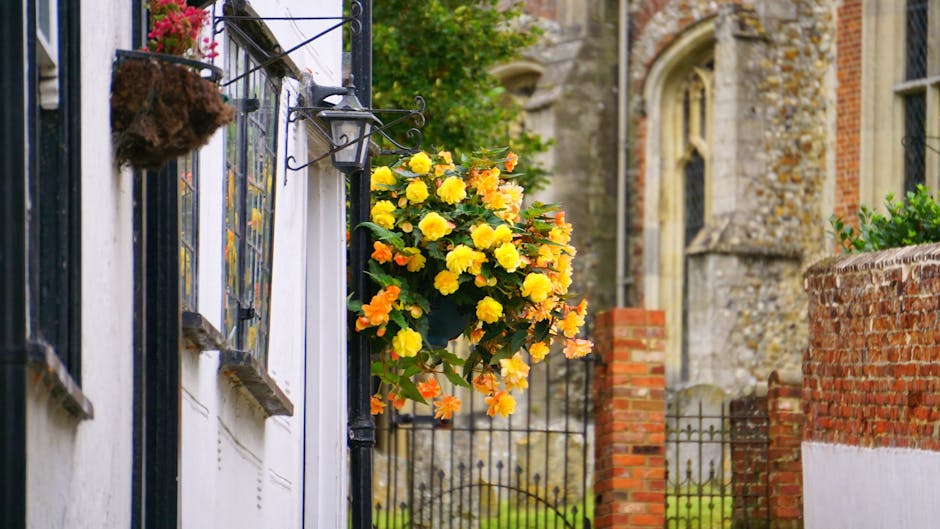
Common Mistakes to Avoid
Most public flower display problems are not dramatic. They are small, repeated, and entirely avoidable.
- Ignoring permission requirements: Even temporary displays may need approval if they are in public space.
- Overcrowding the space: Too many planters or oversized containers can make an area feel cramped.
- Choosing plants that need constant care: If nobody has the time, the display will struggle.
- Forgetting water access: A display with no reliable watering plan is usually on borrowed time.
- Blocking access routes: Keep pavements, crossings, entrances, and service access clear.
- Using weak fixings: Wind and weather will find any shortcut, usually at the worst moment.
- Not assigning responsibility: If everyone is responsible, nobody is.
- Failing to refresh the display: Tired flowers can make the whole area look neglected.
Another common mistake is assuming a display can be installed and then left alone. Public planting is a living thing. It moves with the weather. It changes shape. It needs checking. Not every week forever, but enough to stay healthy and safe.
And, to be fair, the first version is rarely the best version. Many good public displays are improved after a quick review once people have actually used the space.
Tools, Resources and Recommendations
You do not need a massive kit to manage a public flower display well, but a few practical tools make life much easier.
- Watering cans or hose access: Reliable watering is non-negotiable in warmer periods.
- Gloves and hand tools: For planting, deadheading, and quick tidy-ups.
- Plant labels or a planting plan: Helpful for maintenance teams and replacement planning.
- Measuring tape: Useful for checking how the display fits the space before installation.
- Waste bags and small bins: Public spaces accumulate litter faster than people expect.
- Simple rota sheet: Keeps watering and maintenance shared fairly.
For choosing flowers, the right mix depends on the display style. If you want something reliable and straightforward, mixed seasonal flowers often work well. For more structure, classic choices such as roses, lilies, carnations, or chrysanthemums can suit different display types, while smaller fillers like germini or alstroemeria add texture.
If you are planning something more decorative or event-led, you may also find it useful to look at collections such as all flowers, florist choice, or best sellers when you are weighing up presentation against practicality. For a softer, mixed seasonal feel, mixed colours can be a good fit, while summer flowers are often better for public displays that need brightness and resilience in longer daylight.
If you are handling delivery timing around a public event or installation window, the site's delivery information and flower care guidance may help you plan more sensibly. Small detail, big difference.
Law, Compliance, Standards, or Best Practice
This is the section where people often want a simple yes-or-no answer, but public display rules are usually more situational than that. In the UK, the key issue is that anything placed in public space should not create a hazard, block access, or damage public assets. Local councils may also have their own policies on street furniture, advertising, planters, verge use, or anything attached to highways-adjacent areas.
For Welling, the safest approach is to assume that if a display sits on land you do not privately control, you should check before installation. That applies especially if the display is:
- fixed or semi-fixed to the ground
- placed on a footway or near a crossing
- large enough to affect movement or visibility
- part of a community or commercial initiative
- likely to remain in place for more than a short period
Good practice usually includes a few basics: safe placement, stable containers, regular upkeep, clear responsibility, and a design that suits the location. If your display includes memorial flowers or tribute items, take extra care with sensitivity, durability, and placement so the arrangement feels respectful rather than cluttered.
There is also a sustainability angle worth mentioning. Councils and communities are increasingly aware of waste, watering, and the materials used in public projects. Reusable containers, responsibly sourced flowers, and simple maintenance plans are all sensible choices. If you want to align a project with lower-waste thinking, the site's sustainability page offers a useful overview of that approach.
And one thing people sometimes miss: compliance is not only about rules on paper. It is about the lived experience of the street. Can a wheelchair user pass comfortably? Can a parent with a pushchair move through without weaving? Can a maintenance team safely get close enough to water or tidy the area? Those practical questions are the real test.
Options, Methods, or Comparison Table
If you are deciding how to structure a public flower display in Welling, it helps to compare a few common methods. Each one has its own strengths.
| Display type | Best for | Main advantages | Watch-outs |
|---|---|---|---|
| Planters | Shopfronts, corners, and paved areas | Flexible, visible, easy to refresh | Can block access if oversized; needs regular watering |
| Hanging baskets | High-visibility streets and fronts | Strong visual impact, saves ground space | Needs secure fixing and frequent watering in warm weather |
| Bedding displays | Gardens, verges, and managed beds | Can look lush and seasonal | More maintenance; depends on soil condition |
| Temporary tribute arrangements | Memorials, events, community moments | Meaningful and adaptable | Need careful placement and respectful upkeep |
| Mixed seasonal displays | Public spaces needing year-round interest | Balanced appearance, flexible styling | Requires planning across the year |
If you are not sure which option suits you, start with the simplest one that fits the space and the maintenance plan. A smaller, well-managed planter often beats a larger arrangement that no one can sustain. Simple is not boring. Simple is often the reason things keep working.
Case Study or Real-World Example
Imagine a small community group in Welling wants to brighten a visible corner near a parade of local shops. The idea begins with enthusiasm, as these things often do. Someone suggests a wide planter with bright summer flowers. Another person wants something more traditional. A third wants a display that can stay up through autumn too. All perfectly reasonable.
Before making anything, they check the location. It turns out the corner is busy at school drop-off time, and the footpath narrows a little near a lamppost. That changes the plan. Instead of one large planter, they choose two narrower containers with stable bases and simpler planting. They agree a watering rota, keep the colours bright but not overpowering, and avoid anything tall enough to block sightlines.
The result is not flashy. That is the point. It looks tidy, intentional, and easy to maintain. People notice it. A few neighbours start watering it when the rota misses a day. Someone even stops to deadhead the spent blooms on the way home from work. It becomes one of those quiet local things that lifts the street without making a big song and dance about it.
That is usually the sweet spot for public flower displays: attractive, manageable, and clearly suited to the site. Not overdone. Not undercooked either. Just right for the street.
Practical Checklist
Use this before you install or refresh a public flower display in Welling.
- Have you confirmed who owns or manages the space?
- Do you know whether permission is needed?
- Will the display keep pavements and access routes clear?
- Are the containers stable and appropriate for the location?
- Have you chosen plants that match the season and maintenance capacity?
- Is there a named person or rota for watering and care?
- Have you checked sightlines near roads, crossings, and entrances?
- Will the arrangement still look decent if the weather turns windy or hot?
- Do you have a simple plan for replacing tired plants?
- Have you agreed how long the display will stay in place?
Quick takeaway: if the space is public, treat the display like a shared asset, not a private garden feature. That mindset saves trouble.
Conclusion
Bexley Council rules for Welling public flower displays are really about balance: making public spaces more beautiful while keeping them safe, accessible, and easy to manage. Once you understand the location, the responsibility, and the practical limits of the site, everything becomes much clearer. The planting choices matter, of course, but the plan behind them matters more.
In our experience, the best public displays are the ones that look effortless because the groundwork was done properly. The permission was checked. The maintenance was shared. The flowers suited the space. Nothing fancy, just solid planning and a bit of care. That is what keeps a display alive through busy weeks and changing weather.
If you are getting ready to put something in place, start small, check the rules, and make sure the upkeep is realistic. That way the display has the best chance of becoming a real asset to the street, not another project that nobody quite owns by August.
Get a free quote today and see how much you can save.
Frequently Asked Questions
Do I need permission to place flowers in a public area in Welling?
Often, yes, especially if the display is on council-managed land, a pavement, a verge, or anywhere it could affect access or safety. The exact requirement depends on the location and the type of display, so it is best to check first rather than assume a temporary arrangement is automatically fine.
What counts as a public flower display?
A public flower display is any floral arrangement intended for shared or visible space rather than private garden use. That might include planters, baskets, bedding, memorial flowers, seasonal displays, or floral features outside shops, community buildings, or along streets.
Who is usually responsible for maintenance?
Responsibility normally sits with the person or group that installs the display unless another arrangement has been agreed. That includes watering, deadheading, replacing damaged plants, and keeping the area tidy. If nobody is clearly named, problems usually follow.
Can I put a planter on the pavement outside my business?
Possibly, but not without checking the rules for that spot. Pavements need to remain accessible for pedestrians, wheelchairs, prams, and mobility aids. A planter that looks neat to one person can still be too wide or badly placed in practice.
What flowers are best for public displays in Welling?
The best flowers are usually hardy, easy to maintain, and suited to the season. Mixed seasonal flowers, summer planting, and strong, reliable varieties tend to work well. The right choice depends on sunlight, exposure, watering access, and how often the display can be cared for.
Are hanging baskets better than ground planters?
Neither is universally better. Hanging baskets save ground space and can look striking, but they need secure fixing and regular watering. Ground planters are easier to access and can be more flexible, but they may take up valuable space. It depends on the location.
How far in advance should I plan a display?
As early as you can. Even a small display benefits from a few weeks of planning so you can check permissions, choose plants, arrange watering, and sort out who is responsible. Rushing it usually means rework, and nobody needs more of that.
What happens if a display blocks access or causes a complaint?
If a display blocks access or creates a safety issue, it may need to be moved or removed. Complaints are more likely when the arrangement is oversized, poorly placed, or left untended. Clear planning from the start is the easiest way to avoid that.
Can public flower displays be seasonal or temporary?
Yes, and that is often the most practical route. Seasonal displays are easier to manage and can be refreshed through the year. Temporary displays still need the same basic checks on placement, safety, and responsibility if they sit in shared public space.
What is the biggest mistake people make with public flower displays?
The biggest mistake is probably underestimating maintenance. Flowers need water, tidying, and occasional replacement. A good design without a care plan can fade fast. A modest design with steady upkeep usually wins every time.
Can flowers help make a shopping street feel more welcoming?
Absolutely. A well-kept display can soften hard edges, make the area feel cared for, and give people a reason to slow down and look around. It is a small thing, but small things matter in local places. They really do.
Where can I find flowers suitable for a local display?
You can explore a range of suitable options through local flower collections such as any occasion flowers, summer selections, or more focused seasonal options depending on the display. If the arrangement needs to arrive promptly, a service like next-day flower delivery in Welling can be useful when timing is tight.
What should I do before installing a new display?
Check the location, confirm who manages the space, ask whether permission is needed, and plan maintenance before anything is planted. That simple sequence avoids most of the headaches people run into later. It is not glamorous, but it works.
Is sustainability relevant to public flower displays?
Yes. Reusable containers, sensible watering, and responsibly chosen flowers can reduce waste and make the display easier to support over time. Sustainability is not about being perfect; it is about making better choices that hold up in the real world.